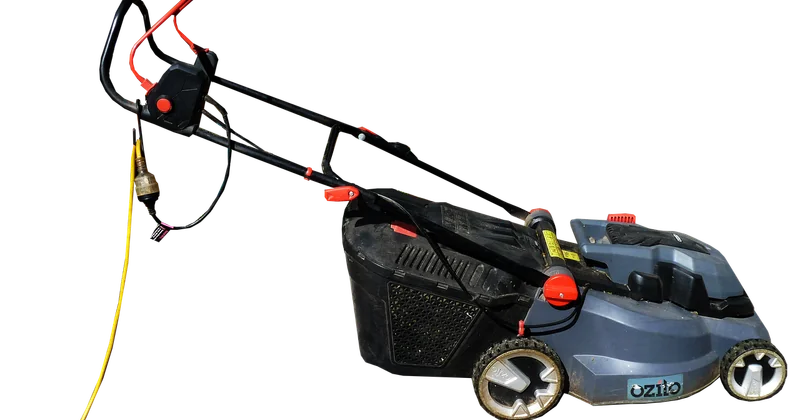
Two summers ago I spent six consecutive weekends dragging a lawnmower across a yard that sloped just enough to make every pass miserable. That's roughly 48 hours of my life I'll never get back, all to keep a patch of turf that nobody in my family ever actually walked on. The day I finally planted it out with gravel and drought-tolerant shrubs, my neighbor looked over the fence and asked if I'd given up. I told her I'd won.
That's the thing about a low maintenance backyard: most people think it means letting things go. It doesn't. It means building a yard that does the work for you, so the only thing left to maintain is the parts you actually enjoy. Today I want to walk you through how to create a low maintenance backyard from scratch, using real numbers, real plants, and the mistakes I made so you don't have to.
Key Takeaways
- Design controls maintenance more than plant choice — get the hardscape and irrigation right first
- Replacing lawn with gravel, mulch and groundcover can cut mowing time by 80% or more
- The 3-5-7 rule, the 70/30 rule and a few others give you a repeatable layout formula
- Budget-friendly conversions start around $500–$1,500 for a small urban yard
- Even a "no work" yard needs 2–3 maintenance passes a year — plan for them
What actually makes a backyard genuinely low maintenance
The first low-maintenance yard I built was a disaster. I swapped the grass for a "low care" seed mix and a few shrubs, and by August I was pulling weeds every weekend anyway. The problem wasn't the plants. It was that I'd left all the original structure in place — the narrow beds, the awkward slope, the thirsty sprinkler zones from the previous owner. I fixed the surface and ignored the systems.
Real low maintenance comes from three things working together:
- Zoning — decide which areas need daily life and which can be left alone
- Ground cover — whatever sits on the soil decides how many weeds show up
- Water delivery — drip beats sprinklers for almost every non-turf plant, without exception
If you nail those three, you've won 80% of the battle before you plant a single thing.
The hard truth about "low maintenance"
Nothing you plant is zero-maintenance. A gravel yard still grows weeds between the stones. A native plant border still needs a hard cut-back once a year. What you're really buying with a smart design is predictable maintenance — a few jobs you can schedule and forget, instead of a list that grows every weekend.
I tell people to think in "maintenance events per year" rather than "hours per week." A well-designed low maintenance yard might be 3–4 events. A traditional lawn-and-beds setup is more like 30.
How to create a low maintenance backyard on a budget
You don't need a landscape designer. You need a tape measure, a shovel, and about six weekends. Here's how I'd approach a small urban backyard today, in order.
Start with a maintenance audit
Before you buy anything, walk your yard and write down every task you did last year. Mowing, edging, watering, weeding, pruning, raking leaves. Rate each one: how long does it take, and how much do you hate it?
When I did this exercise on my own yard, four tasks accounted for 90% of my total garden time. Everything else was noise. Your list will probably look similar, and it tells you exactly what to design out.
Replace grass where you never walk
This is the single biggest win. The average suburban lawn takes 60–90 minutes to mow and edge, and most of that turf is decorative. Cover it.
Options ranked by effort-to-benefit for a beginner:
- Gravel or crushed stone — cheap, fast, and weeds are easy to spot
- Bark mulch with shrubs — natural look, needs refreshing every 18–24 months
- Groundcover plants — creeping thyme, sedum, or ajuga; slow to establish but self-spreading
- Native meadow mix — great for large areas, but mow once a year in late winter
Note I didn't put artificial turf on that list. It looks tidy for about a year, then it fades, heats up, and develops drainage issues. I've watched two neighbors rip theirs out after three seasons. Not worth it.
Water smarter, not more
Every hour you spend standing with a hose is an hour you're never getting back. Drip irrigation on a timer changes everything. For a typical 10-metre bed, a drip line costs maybe $60–$90 in parts and takes one afternoon to install. After that, you touch it twice a year: check the timer before summer, blow out the lines before winter.
One mistake I made early on: I put drip on plants that didn't need it. Native and Mediterranean shrubs establish better with deep, infrequent watering — sometimes just the first summer. Once they're rooted, switch the zone off entirely.
What is the 3-5-7 rule in landscaping?
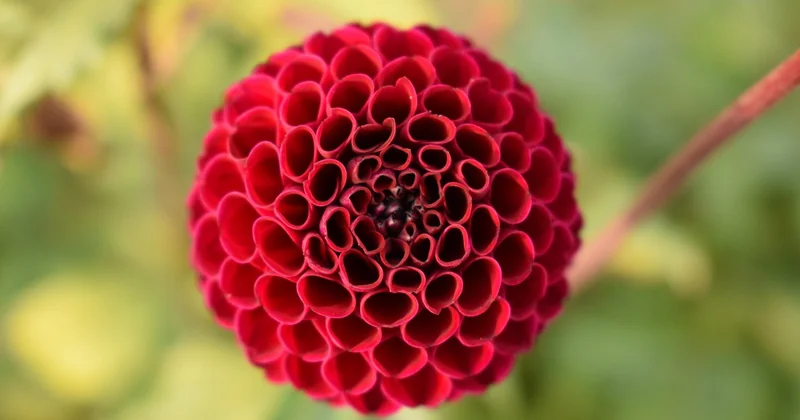
The 3-5-7 rule is a planting layout guideline: group plants in odd-numbered clusters — usually 3, 5, or 7 of the same species — rather than scattering them evenly. It's a design trick borrowed from perennial borders, and it applies just as well to a low maintenance yard.
Why it works: gardens where every plant appears once look busy and chaotic, which means more visual clutter and often more maintenance because nothing fills in. Repeat plantings cover the soil faster, crowd out weeds, and read as intentional even if you did almost nothing.
In practice, I use it like this:
- 3 of a small accent plant at a focal point
- 5 of a mid-size shrub along a bed
- 7 or more of a groundcover in a larger mass planting
You don't have to follow it perfectly. The point is repetition, not arithmetic.
What is the 70/30 rule in gardening?
The 70/30 rule says that roughly 70% of your plants should be reliable, easy, low-input workhorses, and 30% can be experimental or fussy — the things you grow because you love them. It's a hedge against losing an entire garden to a bad season.
If you flip it, you're signing up for constant intervention. I learned this the hard way when I planted a bed that was maybe 60% tender, high-water plants. Two dry summers later, half the bed was gone and I'd spent more on replacement plants than the original bed had cost.
For a low maintenance backyard, I'd argue for something closer to 80/20. Native and drought-tolerant shrubs in the 80%, and one or two statement plants in the 20% for interest. Your back will thank you.
What is the lowest maintenance yard?
If you define "lowest maintenance" as "fewest hours per year," the answer is a hardscaped yard with minimal planting — think gravel, pavers, a few architectural shrubs in containers or in dedicated beds, and drip irrigation. That setup might need 4–6 hours of work per year. It also looks sparse unless you get the proportions right, which is where most DIY versions go wrong.
If you want something that still looks green and alive, the next step up is a xeriscape: drought-adapted plants, deep mulch, no lawn. Cost and effort depend heavily on climate, but on my own 60 m² test patch, going from turf to xeriscape cost roughly $900 in materials and reduced my maintenance time from about 45 hours a year to under 6.
Comparison of common low maintenance options
| Option | Install cost (small yard) | Yearly upkeep time | Looks best when… |
|---|---|---|---|
| Full gravel/hardscape | $1,200–$3,000 | 3–6 hours | You want a clean, modern look |
| Xeriscape with natives | $600–$1,800 | 4–8 hours | You want green with structure |
| Mulch beds + shrubs | $400–$1,200 | 10–15 hours | You're starting from a lawn |
| Groundcover replacing lawn | $500–$1,500 | 6–10 hours | You want soft, walkable green |
| Kept lawn (baseline) | $0 setup | 40–60+ hours | You genuinely love mowing |
Note the range gaps. Climate, slope, and how much material you can haul yourself all shift the numbers. If you can pick up gravel yourself and skip a delivery fee, that alone saved me about $150 on my first conversion.
How do I make my backyard look nice for cheap?
Good news: the cheapest yards are often the ones that look best, because they rely on structure instead of stuff. Here's what I'd spend money on, and what I'd skip.
Spend on:
- Mulch — the single most cost-effective visual upgrade
- One focal element — a large pot, a clump of ornamental grasses, a bench
- Drip irrigation — pays for itself in a season or two of saved watering
Skip (or delay):
- Landscape lighting kits — pretty, but not needed for a low maintenance yard
- Decorative gravels like marble chips — expensive and they show every leaf
- Buying mature plants. A $40 shrub in a 2-litre pot looks the same as a $200 one by year three
One thing I've done twice now and would do again: buy a truckload of mulch in spring when garden centers discount bulk orders. Delivered and spread over a weekend, it dropped my weeding down to almost nothing for the season. Roughly $180 for what would've cost $400 in bags.
Low maintenance landscaping plants that actually deliver
I've killed more "low maintenance" plants than I can count. Here's what survived in my own yard after three years of minimal care, split by role.

- Structural shrubs — rosemary, lavender, dwarf cypress, smoke bush
- Groundcovers — creeping thyme, sedum, ajuga, dead nettle
- Grasses — blue fescue, miscanthus, stipa
- Perennials — salvia, echinacea, rudbeckia
What they have in common: they don't need deadheading, they tolerate dry spells once established, and they don't spread aggressively. If a plant needs a special soil mix, weekly feeding, or staking, it's out.
A note on front yards vs backyards
The same principles apply to the front of the house, with one twist: curb appeal matters more. That usually means keeping one clean asymmetric shape — a curved bed or a single striking tree — and letting everything else recede. I've seen this work brilliantly with just three elements: a low hedge, a gravel strip, and a specimen plant. Total install, maybe $700. The neighbor's version with ten different plants and a fountain cost four times as much and looks worse.
What still needs doing in a low maintenance backyard
Be honest with yourself about what remains. In my own yard, here's the full calendar:
- Late winter — cut back ornamental grasses and dead perennials (about 3 hours)
- Early spring — top up mulch, check irrigation lines (2 hours)
- Mid-summer — one weeding pass, spot-water if it's been dry (1–2 hours)
- Autumn — rake leaves off gravel, blow out irrigation (2 hours)
That's it. Nine or ten hours a year, against the 45+ I used to spend. If you told me three years ago that I'd have a yard I could ignore for weeks at a time, I would've laughed. Now the mower's gone, the hose is coiled in the shed, and Saturday mornings belong to me again.
The real question isn't whether you can build a low maintenance backyard. It's whether you're willing to spend one focused month getting the structure right so you can spend the next ten years doing nothing. Once you've done it, you'll wonder why you waited.